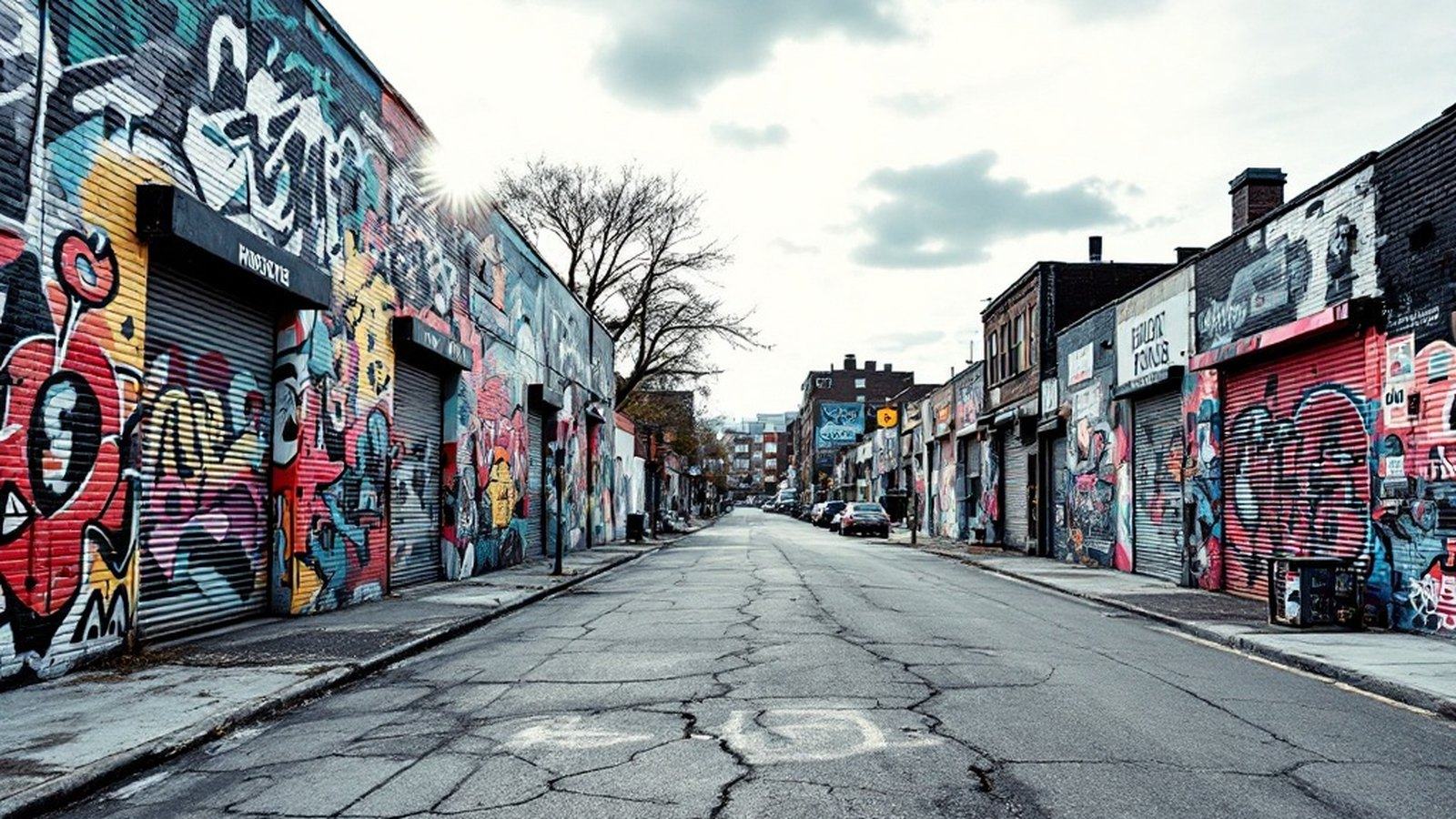
The Bushwick Collective didn't begin with a grant application or a curatorial vision statement. It began with a man watching his neighbourhood come apart and deciding to do something physical about it.
01Origin Story: One Block, One Loss
Joe Ficalora, a Bushwick native, started the project in 2011 after losing family members to drug addiction — a crisis that, in his telling, had hollowed out the blocks he grew up on. His response was to paint them. Not with beautification-committee pastels or civic-mural blandness, but with large-scale, serious work by artists who had something to say.
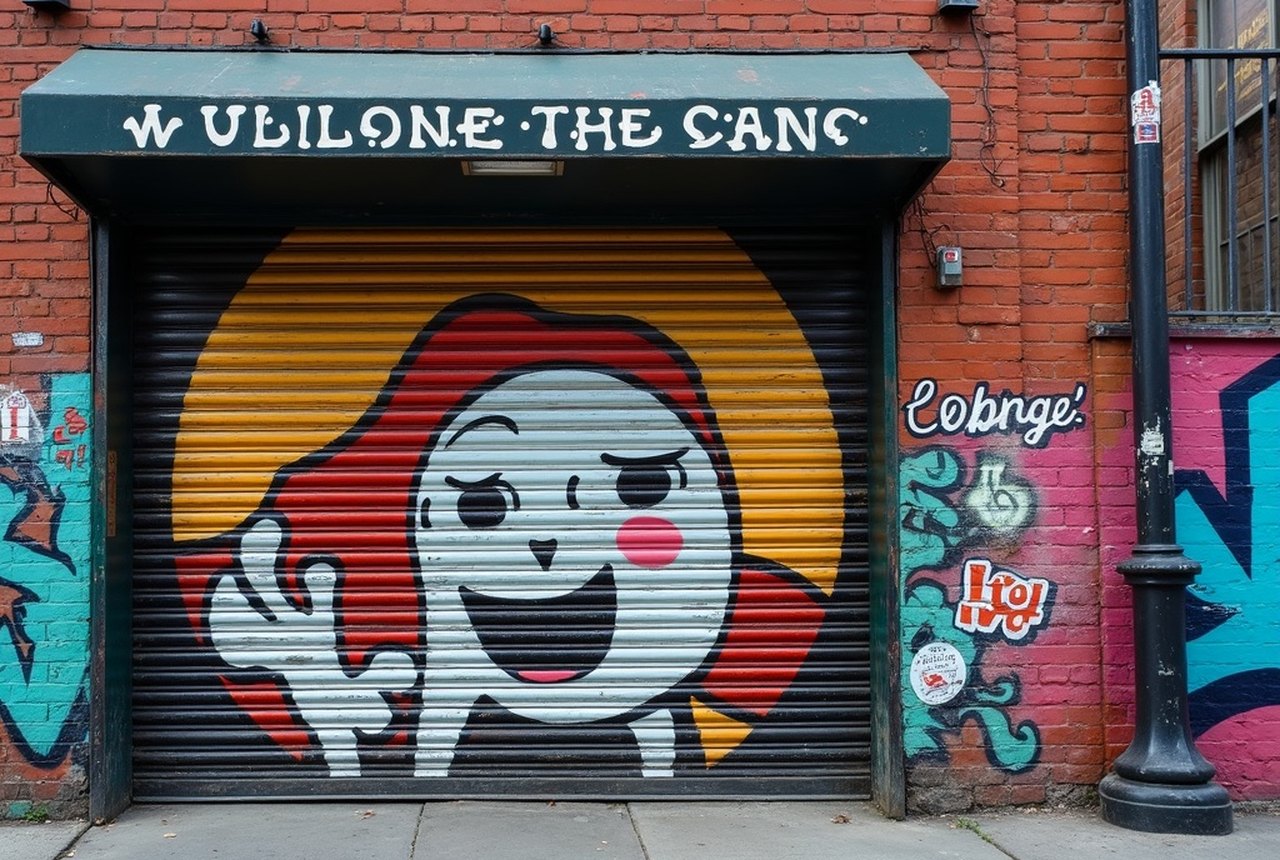
The initial concentration was Troutman Street, between St Nicholas Avenue and Wyckoff Avenue — a stretch of industrial Brooklyn that had the right ingredients: low-slung warehouses, roll-up shutters wide enough to swallow a mural, property owners willing to hand over their walls. Ficalora went door to door. Some owners said yes immediately. Others needed convincing. The block-by-block negotiation that built the Collective in its first years is the part that rarely makes the lifestyle coverage: the handshakes, the promises, the ongoing relationships with building owners who could, at any point, decide to sell or re-paint. That precariousness is baked into the project's DNA.
By the time the Collective had established itself as a destination, Troutman Street had become something genuinely unusual in New York City: a concentrated, walkable stretch of walls that rotated on something like a gallery schedule, except outdoors, free, and accountable to no institution other than the weather and the neighbourhood itself.
- 2011Ficalora begins negotiating walls on Troutman Street, Bushwick.
- Mid-2010sThe Collective grows to include an international roster; the block party becomes a major annual event.
- OngoingWalls rotate on a rolling basis; new commissions replace older work seasonally.
02The Geography of the Thing
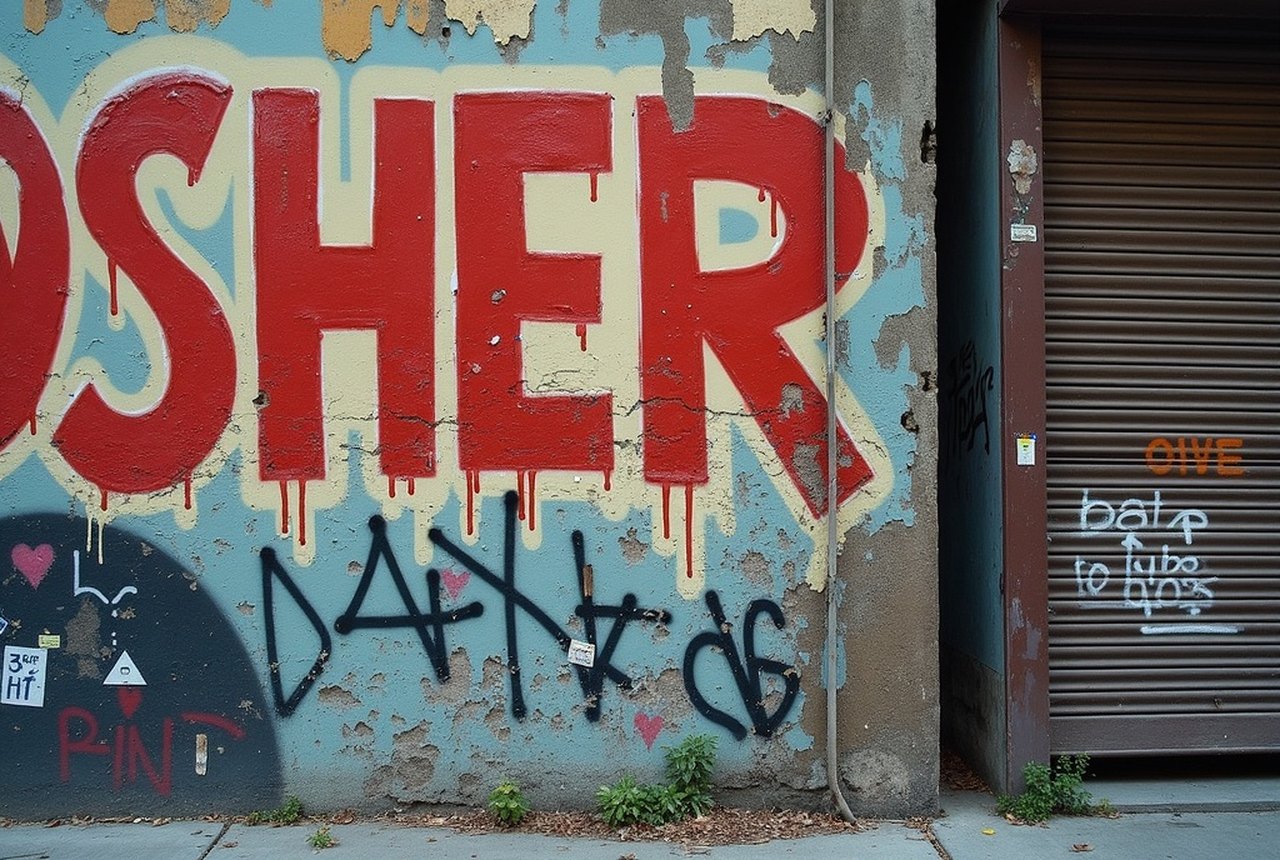
To understand the Bushwick Collective, you have to walk it — GPS in pocket, not in hand. The core runs along Troutman Street and spills onto Jefferson Street, St Nicholas Avenue, Wyckoff Avenue, and the surrounding industrial blocks. These aren't decorative add-ons to a commercial strip; the walls are the architecture here. A corrugated metal gate becomes a canvas ten feet high. The side of a trucking depot hosts a portrait that dwarfs the pedestrians below. Turn a corner and a piece you've seen on Instagram for three years is suddenly in front of you, faded at the edges and tagged at the bottom — real life reasserting itself over the curated image.
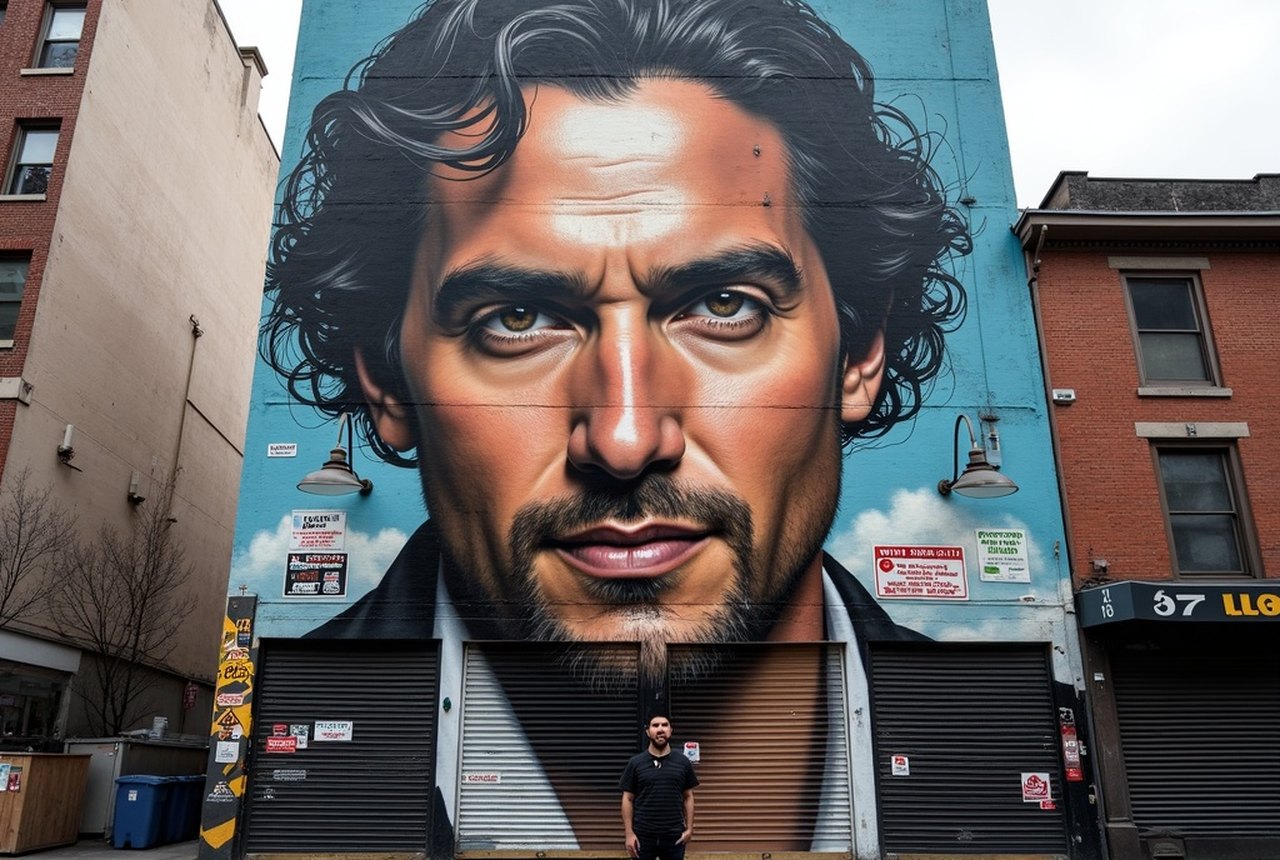
The neighbourhood matters. Bushwick has been a working-class and immigrant community for generations — heavily Puerto Rican and Dominican through the latter half of the twentieth century, shaped by the devastating fires and disinvestment of the 1970s and the slow economic recovery that followed. The Collective landed on streets that still carried that history in their bones, even as gentrification was already reshaping the residential blocks to the north and south. Ficalora's project was never purely a gentrification amenity, though it has become entangled in those pressures whether it wants to be or not. That tension — between neighbourhood memory and incoming tourism, between local identity and international art-world attention — runs through every conversation about the place.
The walls themselves are not permanent. That's the point, and also the grief. A piece by a São Paulo artist might last eighteen months before a new commission goes up over it. A beloved portrait might disappear after a building changes hands. Regulars who visit annually often arrive to find a wall they loved gone and something new — sometimes better, sometimes not — in its place. This impermanence is street art's oldest argument with itself: the ephemerality is the truth of the form, and the loss is part of the experience.
Field note: take the L to Jefferson St and walk one block south — you arrive mid-corridor. Go on a weekday morning; the light is on the walls and the tour groups aren't.
03Who Paints Here
The Collective's roster has always mixed international heavyweights with New York City writers who'd been working the boroughs long before Troutman became a destination. Artists from Brazil, Spain, Mexico, the UK, and across Europe have painted here — some invited directly by Ficalora, others coming through networks that form around these kinds of open-air programs. The work ranges from hyper-realist portraiture (a dominant mode in large-scale mural culture globally by the mid-2010s) to abstract work, lettering-based pieces that nod toward the graffiti tradition without fully inhabiting it, and politically direct image-making.
The annual Bushwick Collective Block Party, held each June, became the moment when the walls came most alive in a communal sense — artists painting live, music running across multiple stages, the neighbourhood and the art world briefly occupying the same block. At its peak the event drew tens of thousands of people over a weekend. It is, in its energy, closer to a writers' jam or a block celebration than to an art fair, which is what distinguishes it from the sanitised open-air festivals that have proliferated in other cities.
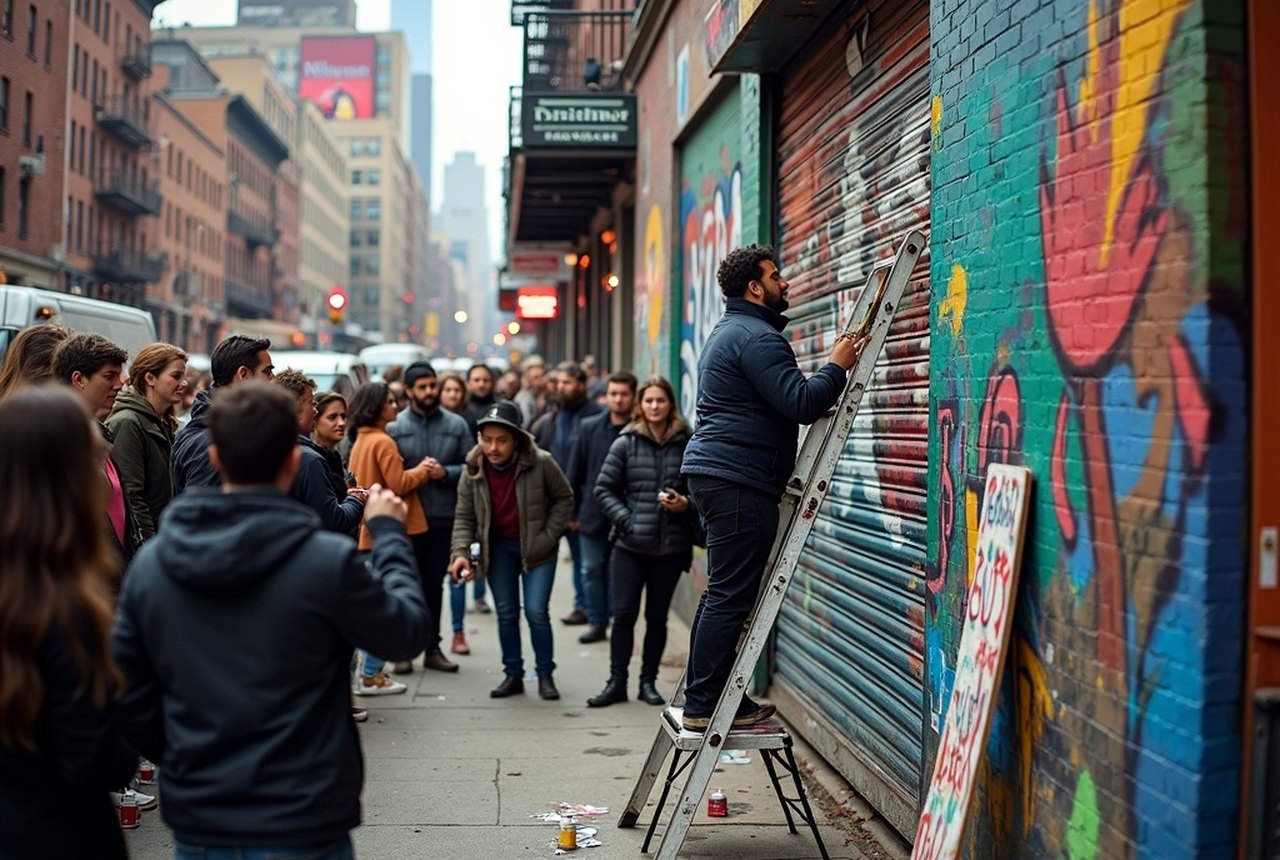
But the question of who paints here, and who gets to decide, is where the politics get complicated. The Collective is not a democratic institution. Ficalora controls the walls, curates the rosters, and negotiates with property owners directly. That's produced a coherent vision — the scale and density of work on Troutman is not accidental — but it also means the project reflects one person's taste, relationships, and priorities. Local Bushwick artists have at various points raised questions about access and representation, about whether the neighbourhood's own writers and muralists are centred or whether the festival model tends to favour visiting artists with bigger social media followings. These aren't new tensions in public art; they're endemic to any curatorial program operating on streets that belong, in a deeper sense, to the people who live on them.
There's also the relationship to the graffiti tradition itself. The Bushwick Collective sits in an uneasy space between sanctioned mural culture and the writing world. Plenty of artists who've painted on Troutman have roots in graffiti — they've bombed trains, gone over people, moved through the unsanctioned world — but the Collective's walls are permitted, invited, controlled. That's not a criticism; it's just the reality of operating at scale on private property. What it means is that the raw negotiation of territory, the going-over and cross-out culture of traditional writing, is largely absent here.
The walls are curated, not contested. Some writers see that as a feature. Others see it as the loss of the thing that makes the form matter.
04The Wall as Living Document
Come back to Troutman in different seasons and you're reading a different book. The section of wall that held one artist's immaculate spray-and-roller landscape last spring might carry someone else's bold lettering by autumn. Long-time visitors develop a mental archive of what was where — a palimpsest that exists only in memory and in the photographs scattered across a decade of Instagram posts and documentary projects. That accumulating record is part of what makes the Collective worth returning to. You're not just looking at murals. You're reading a neighbourhood's ongoing conversation with itself and with the wider world of public art.
Some walls have become informal landmarks in their own right — corners that have hosted important work repeatedly, spots where the light hits right in the afternoon, sections of Troutman where the density of murals creates something that genuinely functions like a gallery room, except the ceiling is the sky and the floor is cracked asphalt. There is nowhere in New York City quite like it for sheer concentration of large-scale work in a walkable, ungated, unmediated space.
For all the complicated politics — the gentrification adjacency, the curatorial control, the tension between local roots and international reach — the Collective has done something that is genuinely hard to do: it has made a specific set of Brooklyn blocks matter to people who care about walls. Not as a backdrop for content, though it functions as that too, but as a place where the work is real, the scale is serious, and the neighbourhood is present in every conversation. Ficalora's original impulse — to answer loss with paint, to make something durable out of grief on streets that had seen a lot of both — is still legible in the physical fact of the place, even as the art world has found its way here and complicated everything.
Walk it on a Tuesday morning before the tourists arrive. The walls will tell you the rest.
Joe Ficalora
Founder · The Bushwick Collective
Bushwick native who began negotiating walls on Troutman Street in 2011 after personal loss, building an outdoor gallery block by block through handshakes with property owners. He still curates the rosters and controls the walls.
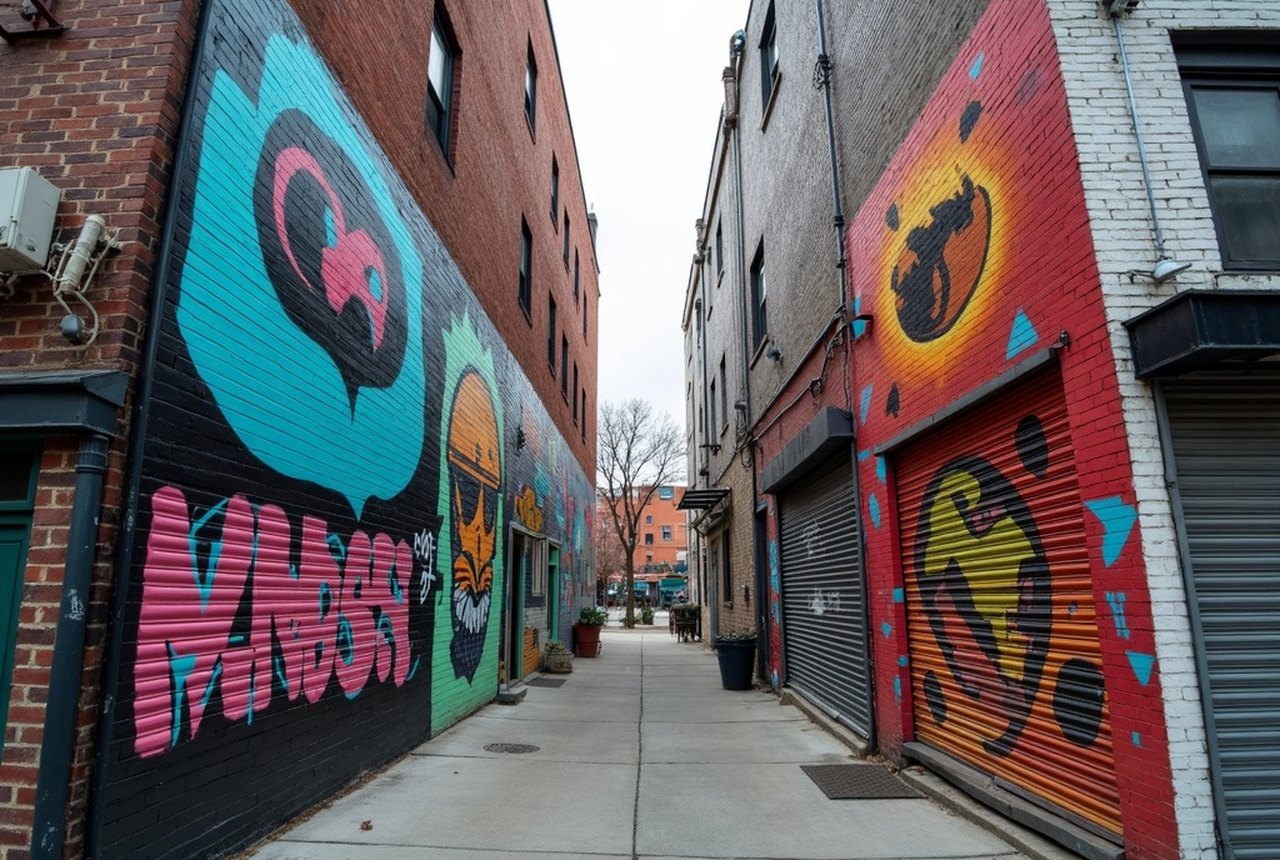
The Corridor
Place · Troutman St & around
Troutman Street between St Nicholas and Wyckoff Avenues, spilling onto Jefferson Street — low-slung warehouses and roll-up gates that made an industrial block into the city's densest walkable mural stretch.