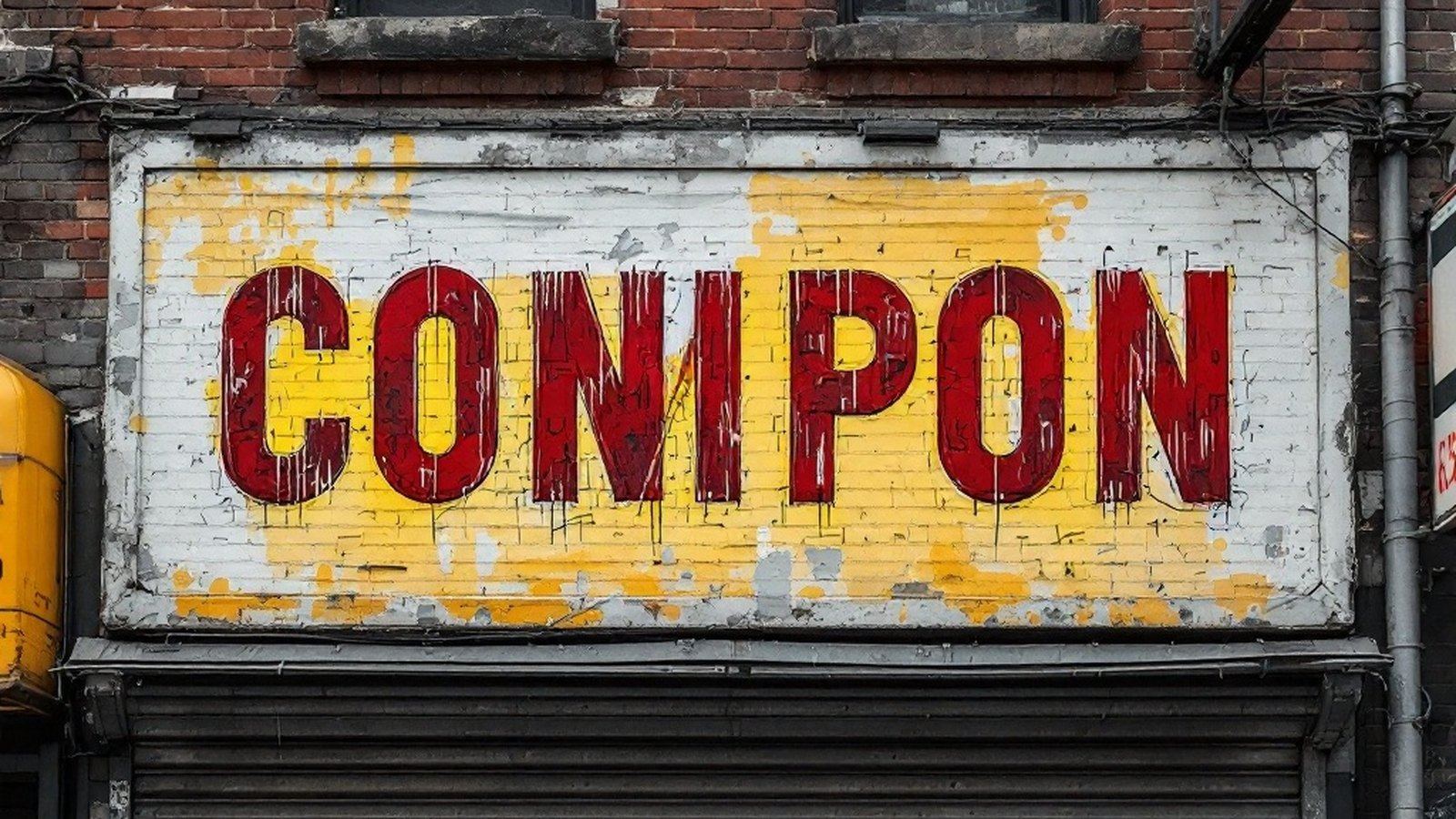
The sign painter's brush never left the wall — we just stopped looking.
01Letters That Outlive the Business
Walk far enough down any commercial strip in Flatbush, Mott Haven or Ridgewood and you'll find it: a ghost sign surfacing through latex paint, the serif letters of a coal company or a soda brand bleeding back into the brick like a slow confession. These are the boroughs' oldest murals. Nobody commissioned them as art. A journeyman sign painter climbed a scaffold, mixed his japan colors, and lettered directly onto the facade — no stencil, no vinyl, no projector. The hand did the thinking.
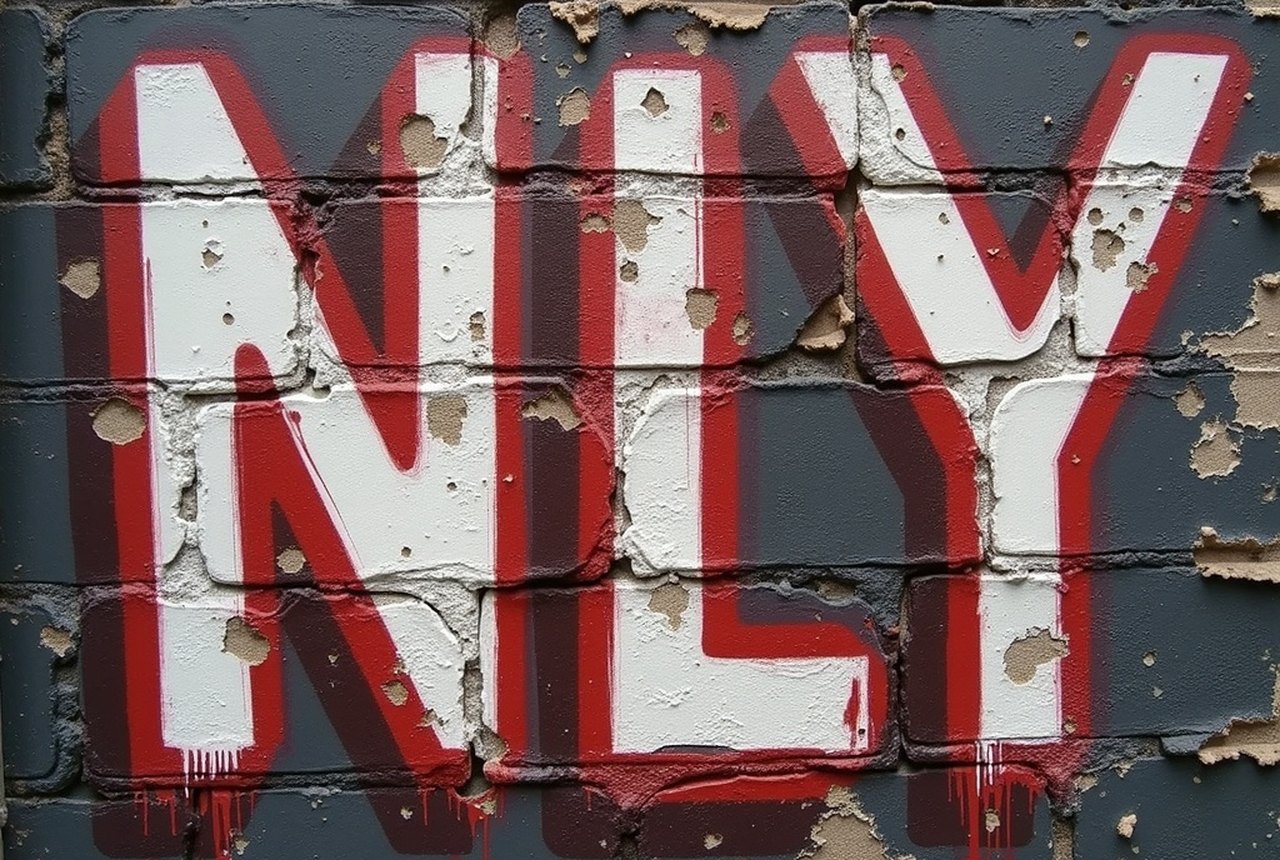
The craft runs parallel to graffiti writing in ways that writers have always understood. Both traditions prize letterform above almost everything else. Both reward the practiced eye — the person who notices when a drop shadow is off by a hair, when a stroke has weight where it needs it. Old-school writers studied sign painting the same way they studied typography on subway cars: as a living school of letter construction. The influence moves in both directions. Walk past a Bronx bodega where someone has hand-lettered the lunch specials on a chalkboard awning and you're watching the same muscle memory that kept the ghost signs alive.
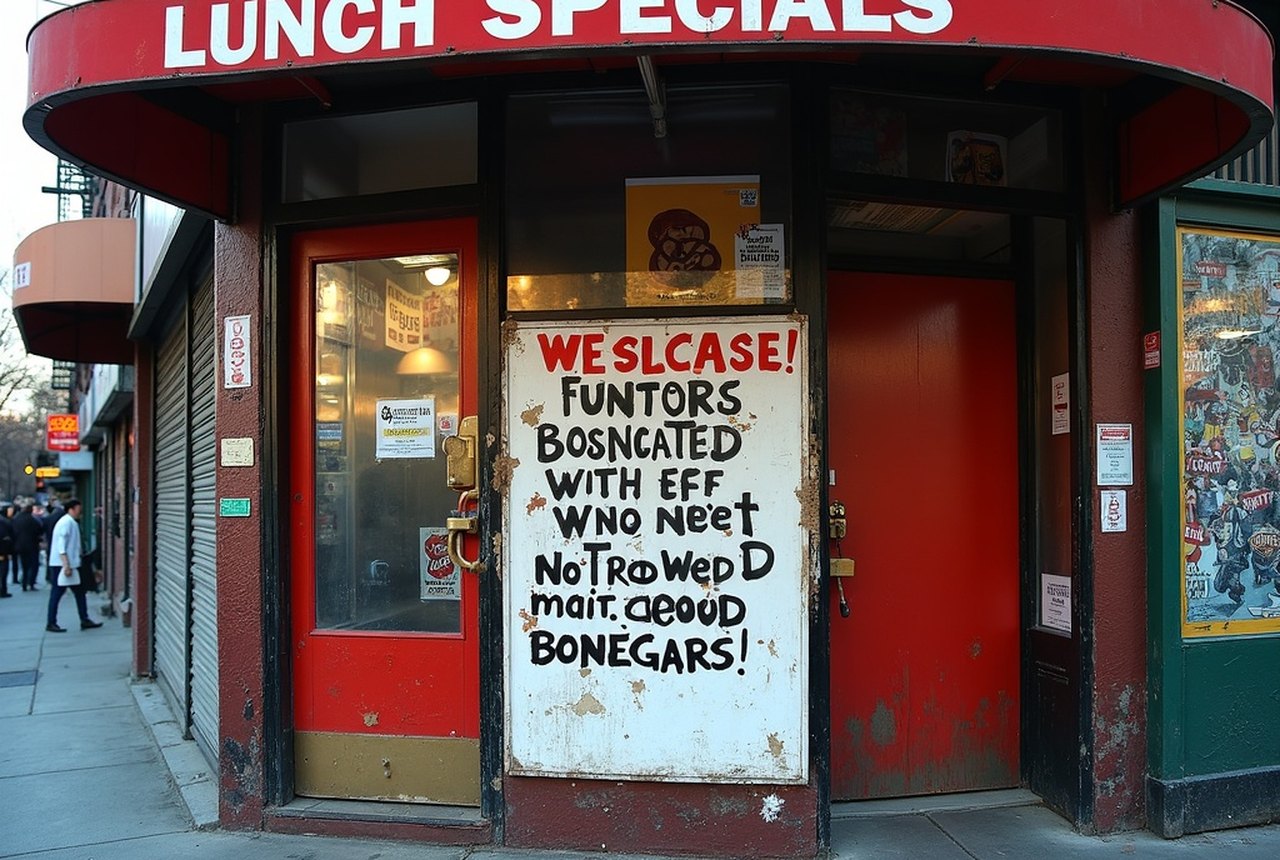
What's disappearing is the professional infrastructure. The trade schools that trained sign painters, the suppliers who sold the One Shot enamel and the camel-hair quills, the storefronts that demanded hand-lettered windows because that was simply how it was done — most of that is gone or contracting fast. Vinyl wrap and digitally cut lettering took the commercial work. What remains on the walls is partly legacy, partly accident: buildings too awkward to repaint, landlords who never got around to it, signs so embedded in the masonry they became structural.
In neighborhoods like Sunset Park and East Williamsburg, a small revival is visible — younger painters picking up the One Shot and the striping brush, lettering bodegas and barbershops by hand again, sometimes explicitly as a nod to the tradition. It isn't nostalgia exactly; it's a refusal to let a form of public mark-making disappear because it got cheaper to fake it.
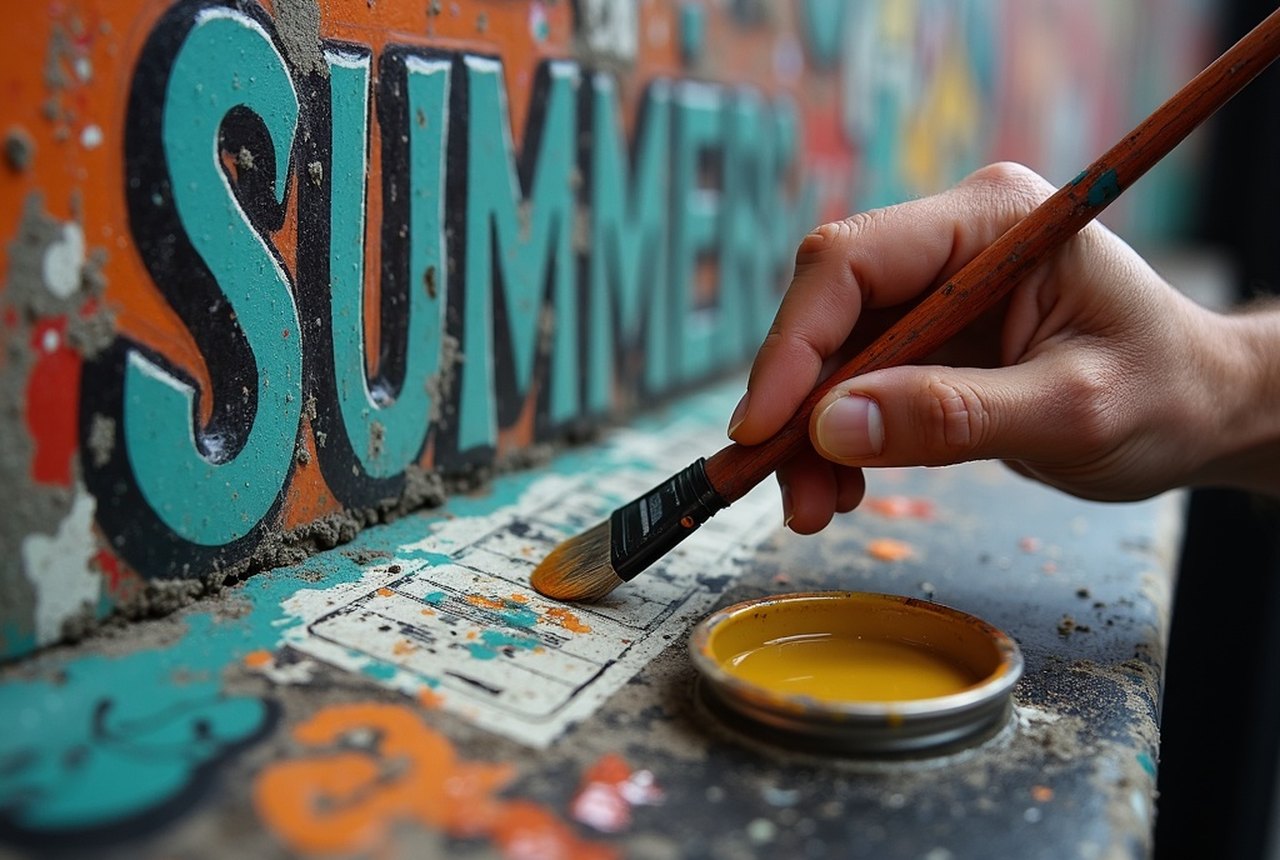
The ghosts on the brick are patient. They'll wait.
The question is whether anyone will still know how to read them — and how to make new ones — when the last coats of latex finally give up and let them through.