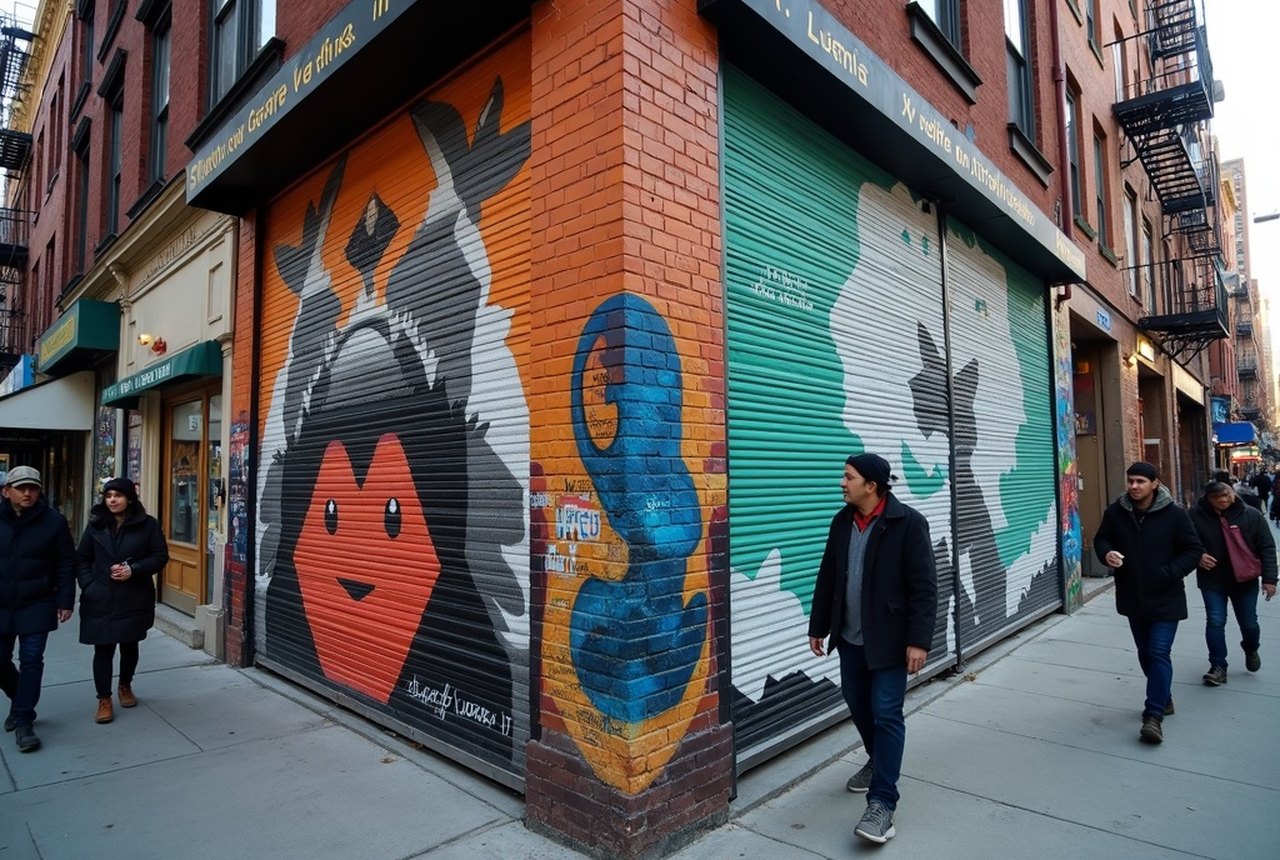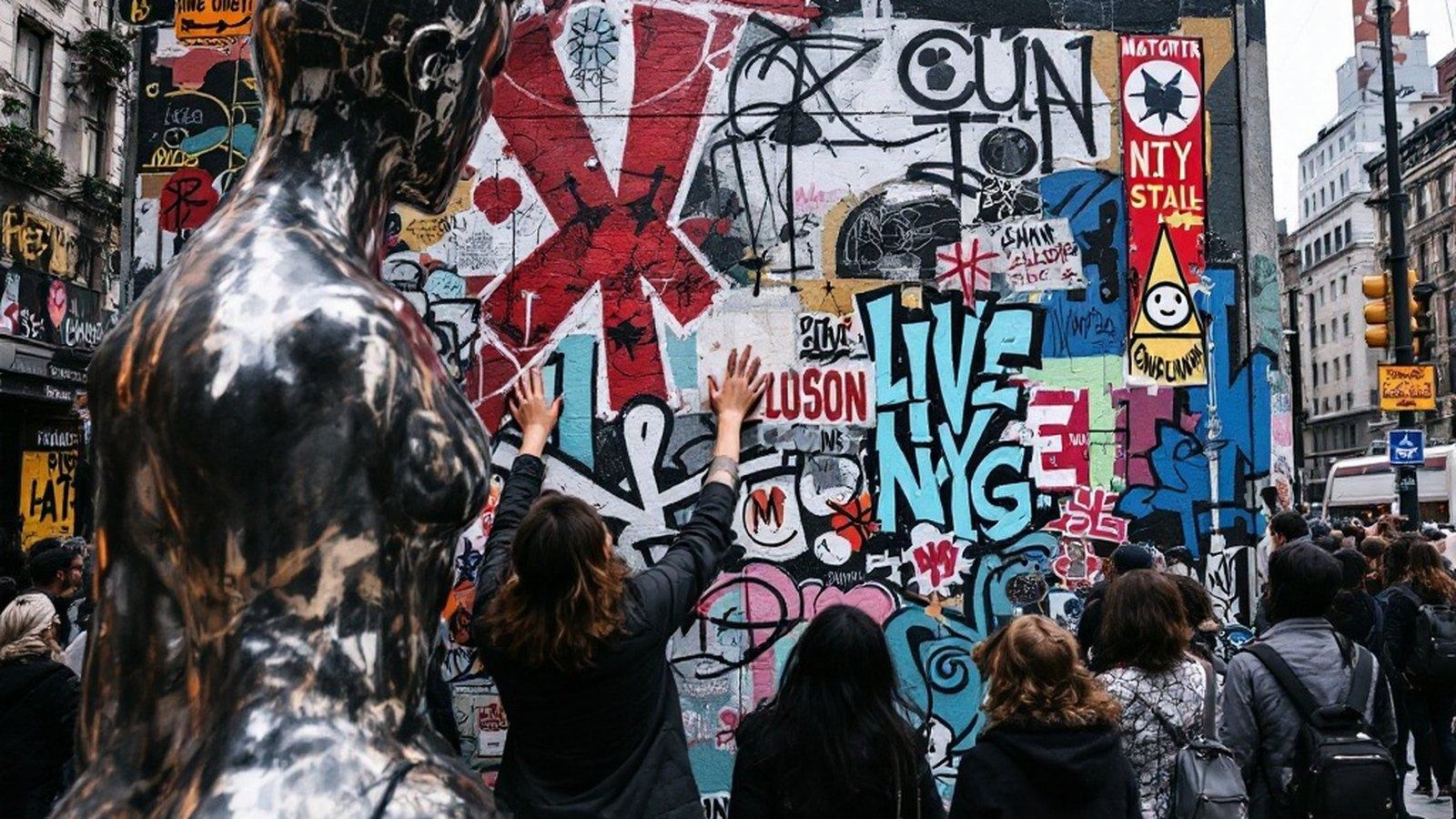
Street art was always meant to be handled. So why does "interactive" public art so often feel like a theme park?
01The Street Already Knows
There is a particular kind of public artwork that announces itself with a sign, a velvet rope, and a volunteer in a hi-vis vest explaining how to interact with it. The irony is almost architectural. Street art spent fifty years refusing the museum's distance — spray paint on a moving subway car is about as anti-velvet-rope as human creativity gets — and now a whole genre of publicly sited, grant-funded, Instagram-optimised installation art has invented its own version of the same cordon, only painted in cheerful colours and labelled "participatory."
That's not to say interactive public art is bad. It's to say it carries a contradiction worth naming.
The "do not touch" reflex is genuinely strange when you step back from it. Museums developed the rule for legitimate reasons — conservation, liability, the sheer crush of bodies — but it quietly trains people to receive art as spectators rather than participants, to maintain a respectful, passive distance from the thing. Street art, paste-ups, graffiti, sidewalk chalk, even the humble sticker slapped on a junction box — none of it asks for that deference. You walk past it, bump into it, peel a corner of it by accident, photograph it from two inches away. The encounter is physical before it's intellectual.
So when a sculptor or a collective builds something specifically designed to be climbed, spun, squeezed or sat inside, they are, in theory, handing that physical intimacy back. The question is whether the work survives the transaction.
02What Hands Do to Art
Touch changes a thing. Not just literally — the worn patina on a bronze is the accumulated pressure of ten thousand palms — but conceptually. A work that invites your body also invites your interpretation, your improvisation, your bad behaviour. The best interactive public objects understand this and build it in. They are structurally honest about the fact that people will sit on them wrong, use them as a backdrop, bring a toddler, eat a sandwich nearby, and return on a Tuesday when nobody else is around to have a completely different experience than the crowd had on Saturday. They don't fight the chaos; they absorb it.
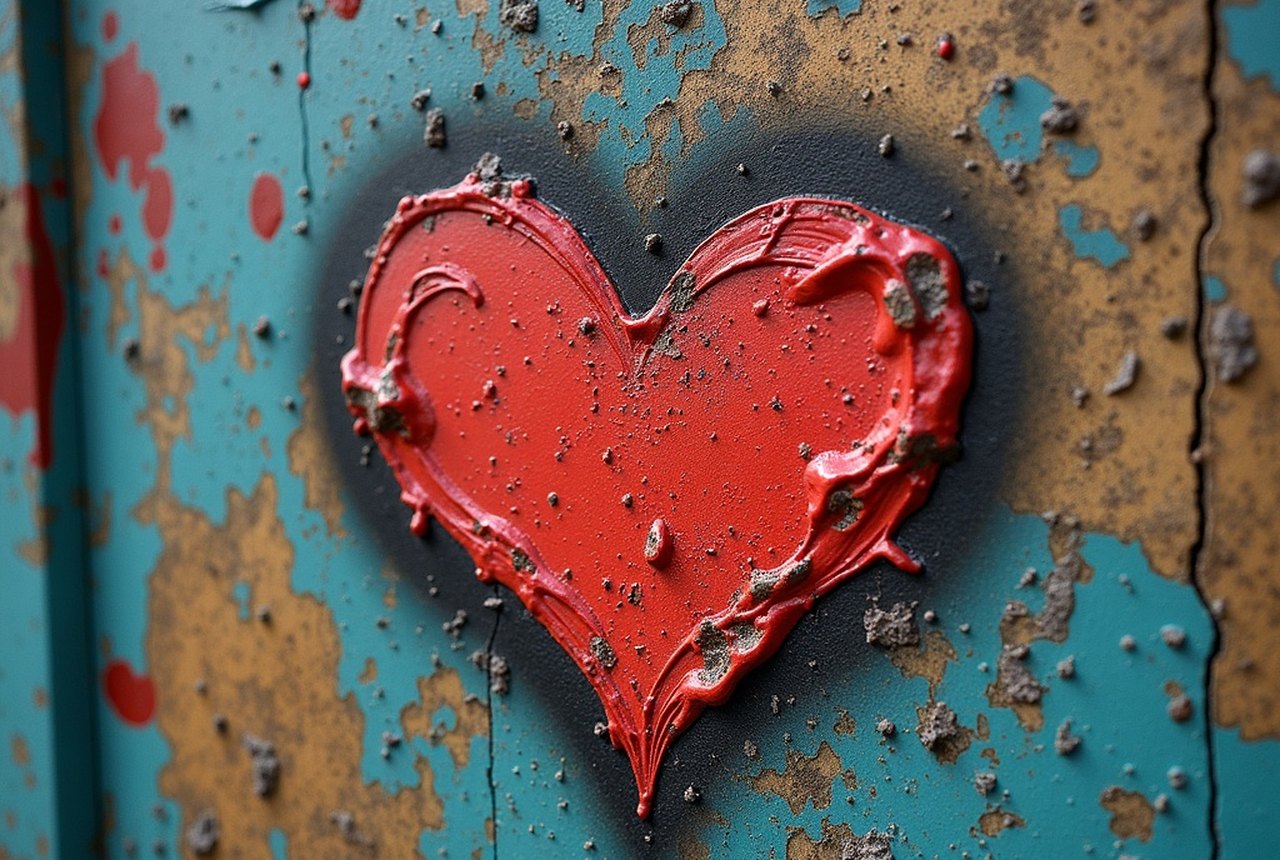
The weaker versions do fight it. You can feel it in works that are interactive in a single, scripted way: press this, it lights up; step here, a sound plays. The participation is real but shallow — a button, not a conversation. These works are often visually arresting and wildly popular, and there is nothing wrong with popularity, except when the popularity becomes the point and the art quietly evacuates. The selfie is taken, the hashtag is posted, and the object is consumed in about ninety seconds. Nobody touched anything that mattered.
| Absorbs the chaos | Fights the chaos | |
|---|---|---|
| Interaction | Open-ended — sit wrong, climb, return on a quiet Tuesday | Scripted — press this, it lights up |
| Relationship to place | Rooted in a block, shoreline, neighbourhood | Dropped in from a residency catalogue |
| Reward | Return visits, quiet moments | The spectacular first encounter |
| Typical lifespan of the encounter | It stays with you | About ninety seconds |
The crowd-and-selfie problem is not unique to interactive work, but it's sharpest there, because participation was supposed to be the antidote to passive spectatorship. If people participate in a purely performative way — the pose, the caption, the move on — then the form has failed on its own terms. The work asked for hands and got a phone camera instead.
03Earned Contact
The installations that hold up tend to share a few qualities. They reward return visits and quiet moments over the spectacular first encounter. They are formally rigorous enough that the structure itself teaches you how to be with it. And they carry some legible relationship to the place they occupy — they're not dropped in from a residency catalogue but rooted in a specific block, shoreline, or neighbourhood, with material and scale chosen accordingly.
That rootedness is where street art's instincts remain useful. A tag belongs to its wall; a mural belongs to its building. The best touchable public art belongs to its site with the same specificity, so that contact with the object is also, in some way, contact with the place. That's a harder brief than "interactive experience," and it produces fewer clean social-media moments. It also produces the kind of work that people actually remember — not because they photographed it, but because they put their hands on something that pushed back.
Art you can touch is art that touches you back. The trick is making sure there's something there to feel.