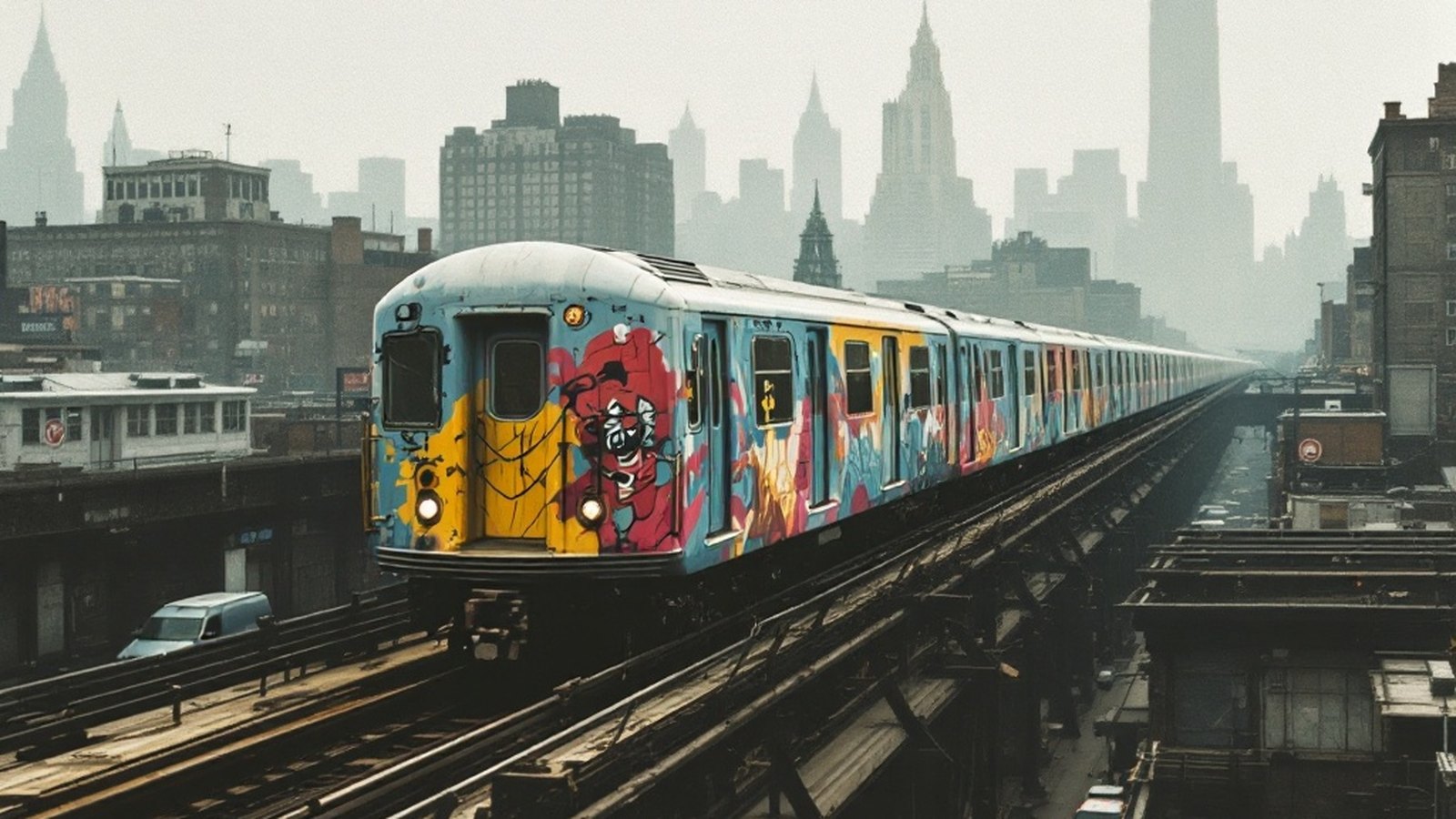
From TAKI 183's tag to the last buffed train — how eighteen years on the IRT changed art history. This is a chronology; the years are the content.
01Writing the City
It started with a name and a number. In the summer of 1971 a teenager from Washington Heights known as TAKI 183 — TAKI a nickname, 183 his street on 183rd Street — was hitting subway stations and cars across all five boroughs, riding his job as a messenger to spread his tag further than anyone before him. He wasn't the first to tag; JULIO 204 and others had been writing their street numbers alongside their names earlier, and the habit of signing walls was already loose in the culture. But TAKI 183 was prolific enough to get noticed by the New York Times, which ran a story on him in July 1971. That piece, headlined "Taki 183 Spawns Pen Pals," named the practice, gave it a geography and essentially broadcast the idea to every bored, ambitious kid in New York. Within months the subway had dozens of new writers. Within a few years it had thousands.
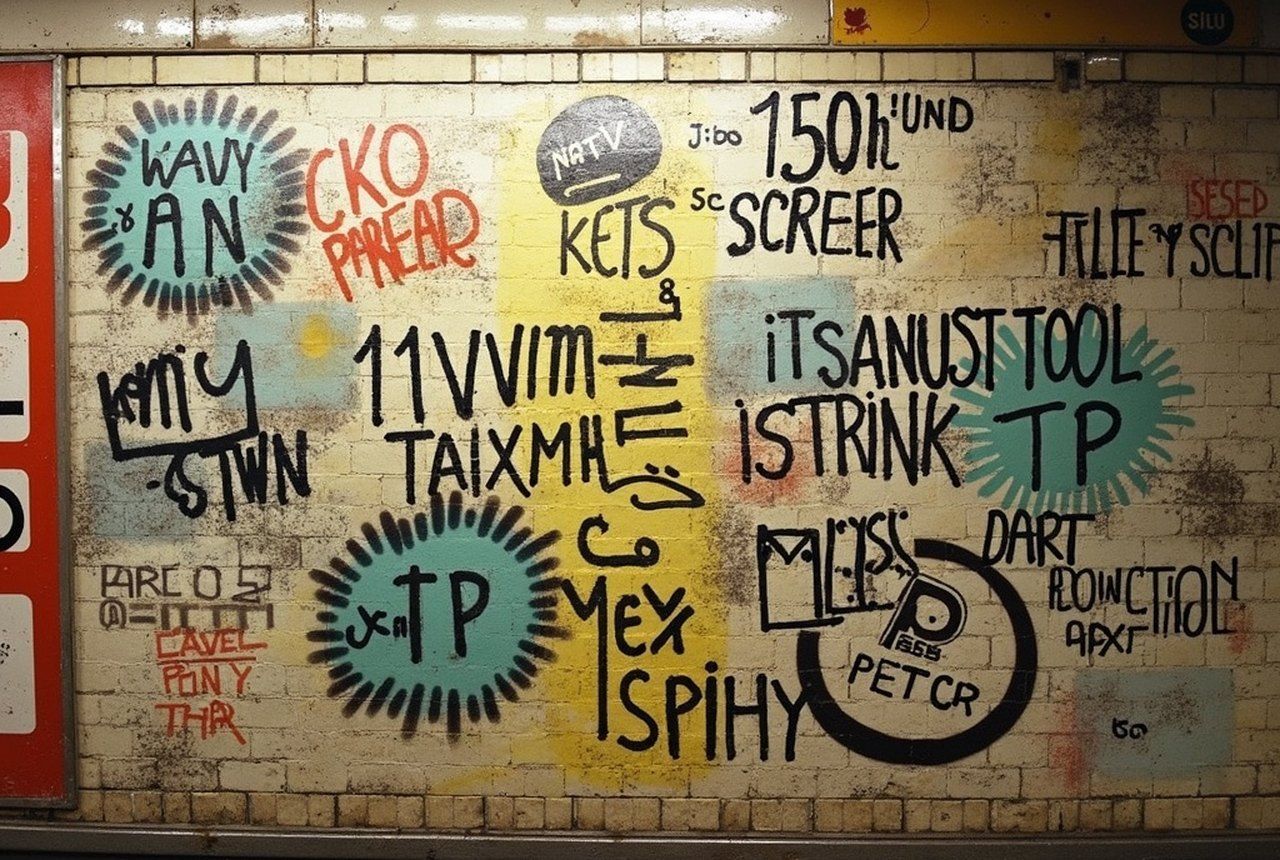
The early years were about tags — the signature itself, as wide and fast as a marker or a Pilot would allow. Writers competed on count and reach: how many lines, how many cars, how far uptown, downtown, outer borough. Names like STAY HIGH 149, EVA 62 and BARBARA 62 pushed the tag toward style, adding serifs, crowns and halos. By the mid-1970s the competition had escalated into something else entirely. PHASE 2 is widely credited with developing the bubble letter style; writers like SUPER KOOL 223 began scaling up from tags to top-to-bottom pieces that ran the full height of a car. The throw-up — a quickly executed two-color outline — became its own discipline, balancing speed against visibility. The arms race for wall space was already becoming an arms race for style.
02The Golden Age
The late 1970s were the masterpiece years. DONDI, LEE, BLADE, SEEN, LADY PINK, ZEPHYR — writers were executing full whole cars and whole trains, elaborate multi-panel compositions that transformed a ten-car IND or IRT set into a moving gallery. Blade claimed to have hit more than five thousand cars during his career. Dondi's Children of the Grave pieces on the BMT in 1980 are still discussed as benchmarks of ambition and execution. The trains ran through the system for as long as they ran, carrying work through every neighborhood in the city, democratic in their reach in a way no gallery ever managed.
The crossover came fast. By 1980, galleries in SoHo and the East Village were showing work by subway writers. Fashion Moda in the Bronx had been bridging street and gallery culture since 1978. The Beyond Words show at the Mudd Club in 1981 put writers alongside downtown artists. Charlie Ahearn's film Wild Style, shot on location in the South Bronx, went into production in 1981 and reached wide audiences in 1983, cementing the international image of the subway writer as cultural protagonist. Books, documentaries and European tours followed.
03The Buff
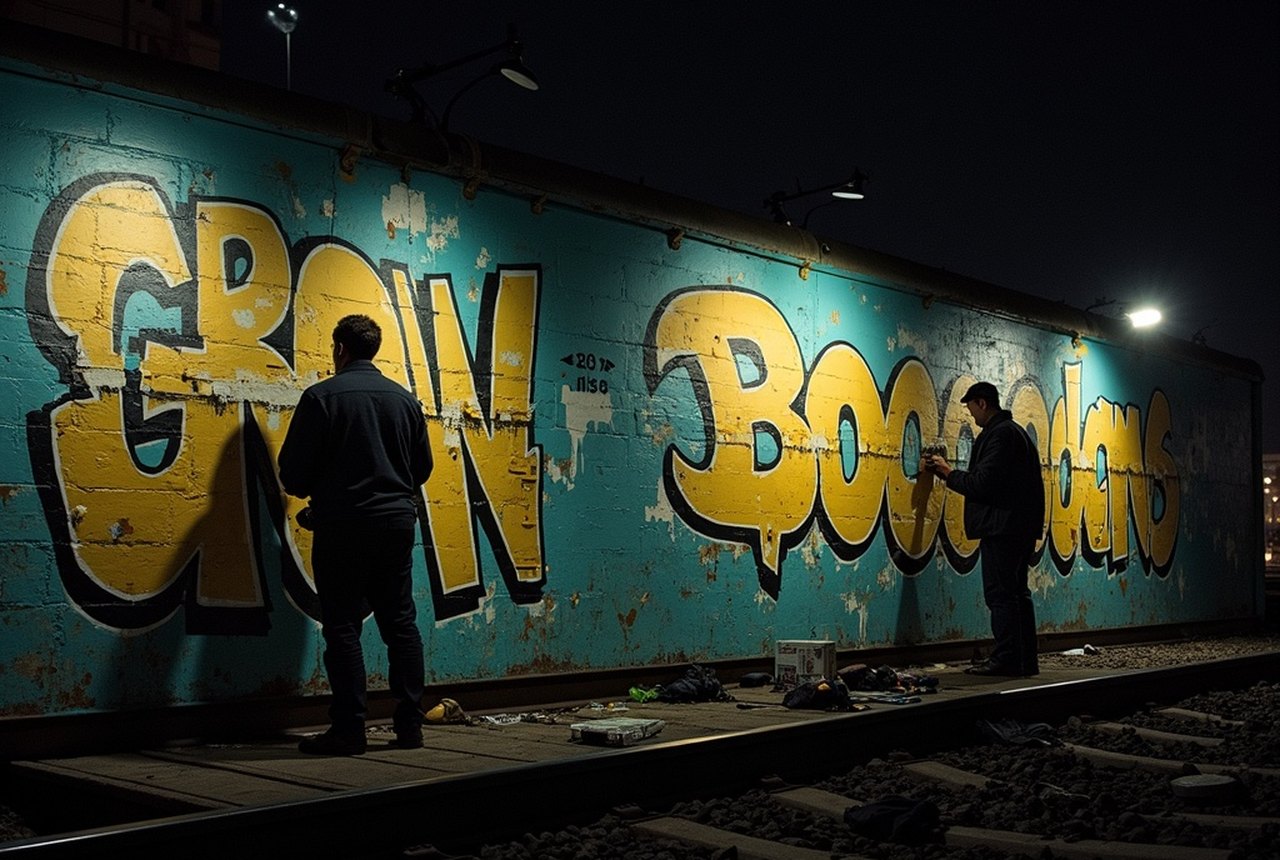
The MTA had been fighting back for years. Layered paint, chain-link around yards, increased transit police patrols — none of it held. The real turning point was the Clean Train Movement, launched under MTA leadership in 1984. The strategy was simple and brutal: any train found with graffiti would be taken out of service and buffed before it ran again. If a car went out clean it came back clean, or it didn't run. Writers hit freshly buffed trains within hours; the MTA buffed them again. It was a war of attrition, and this time the MTA had the budget to win.
Yard by yard, line by line, the clean trains multiplied. The number 7 line went clean. Then the A. By 1989 the last graffiti-covered subway cars had been retired or buffed out of service. The system that had functioned as a citywide open-air museum for nearly two decades was scrubbed. The writing era didn't end on a single date — it dissolved, writer by writer, yard by yard — but 1989 marks the finish line the MTA drew for itself, and held.
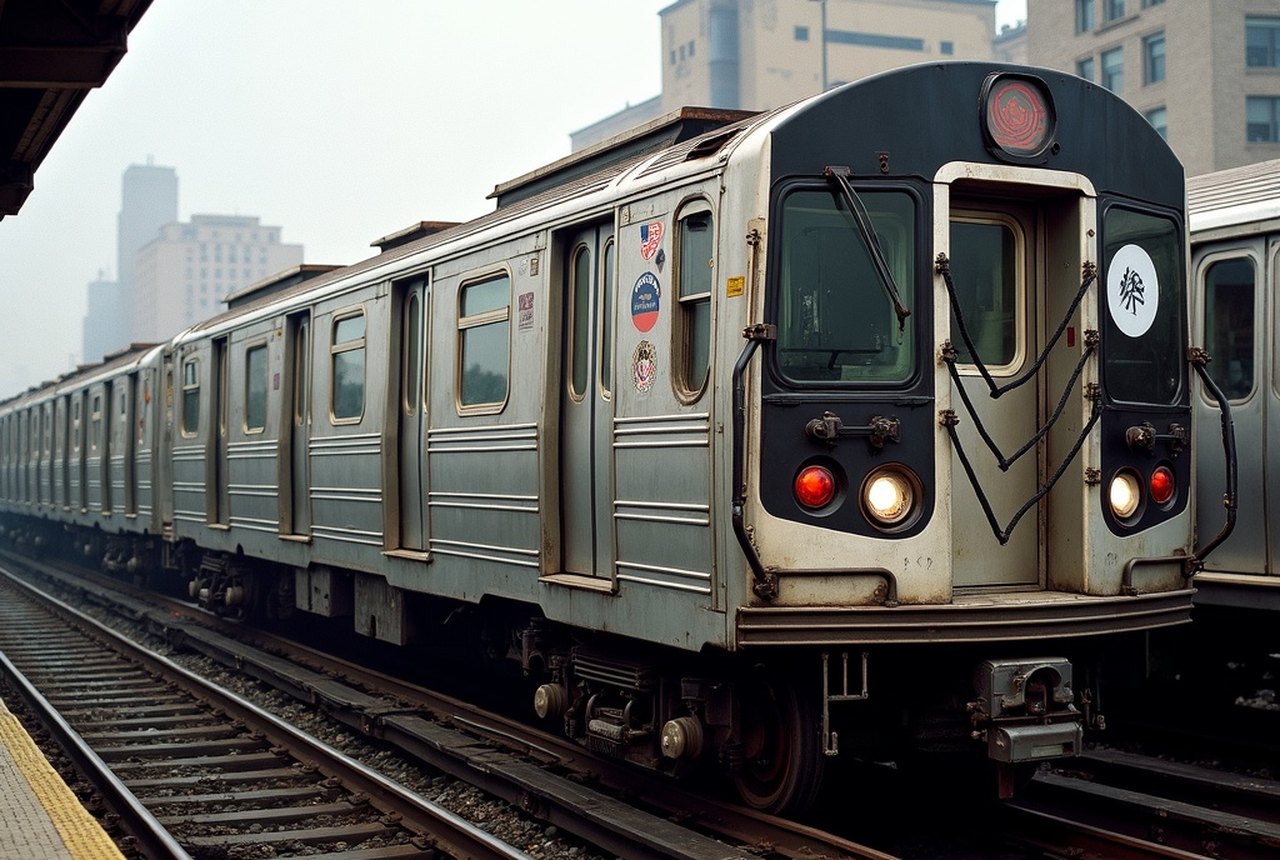
The trains were the connective tissue of the city. If your name was on them, your name was everywhere.
What the movement left behind was the aesthetic DNA of global hip-hop culture, a generation of artists who went on to influence graphic design, fine art and advertising worldwide, and a body of work almost entirely documented in photographs because the work itself is gone.
04The Chronology
- Summer 1971TAKI 183 hits stations and cars across all five boroughs; the NYT runs "Taki 183 Spawns Pen Pals" in July. Within months, dozens of new writers; within years, thousands.
- Mid-1970sTags give way to throw-ups and top-to-bottom pieces. PHASE 2 develops the bubble letter; STAY HIGH 149 and others push the tag toward style.
- Late 1970sThe masterpiece era peaks — whole cars and whole trains by DONDI, LEE, BLADE, SEEN, LADY PINK, ZEPHYR.
- 1978Fashion Moda opens in the South Bronx, bridging street and gallery culture.
- 1980–1983Gallery crossover: SoHo and East Village shows; Beyond Words at the Mudd Club (1981); Wild Style shoots in the South Bronx and reaches wide release in 1983.
- 1984The Clean Train Movement begins — any train found painted is pulled and buffed before it runs.
- 1989The last graffiti-covered cars are retired or buffed out of service; the MTA declares the system graffiti-free.