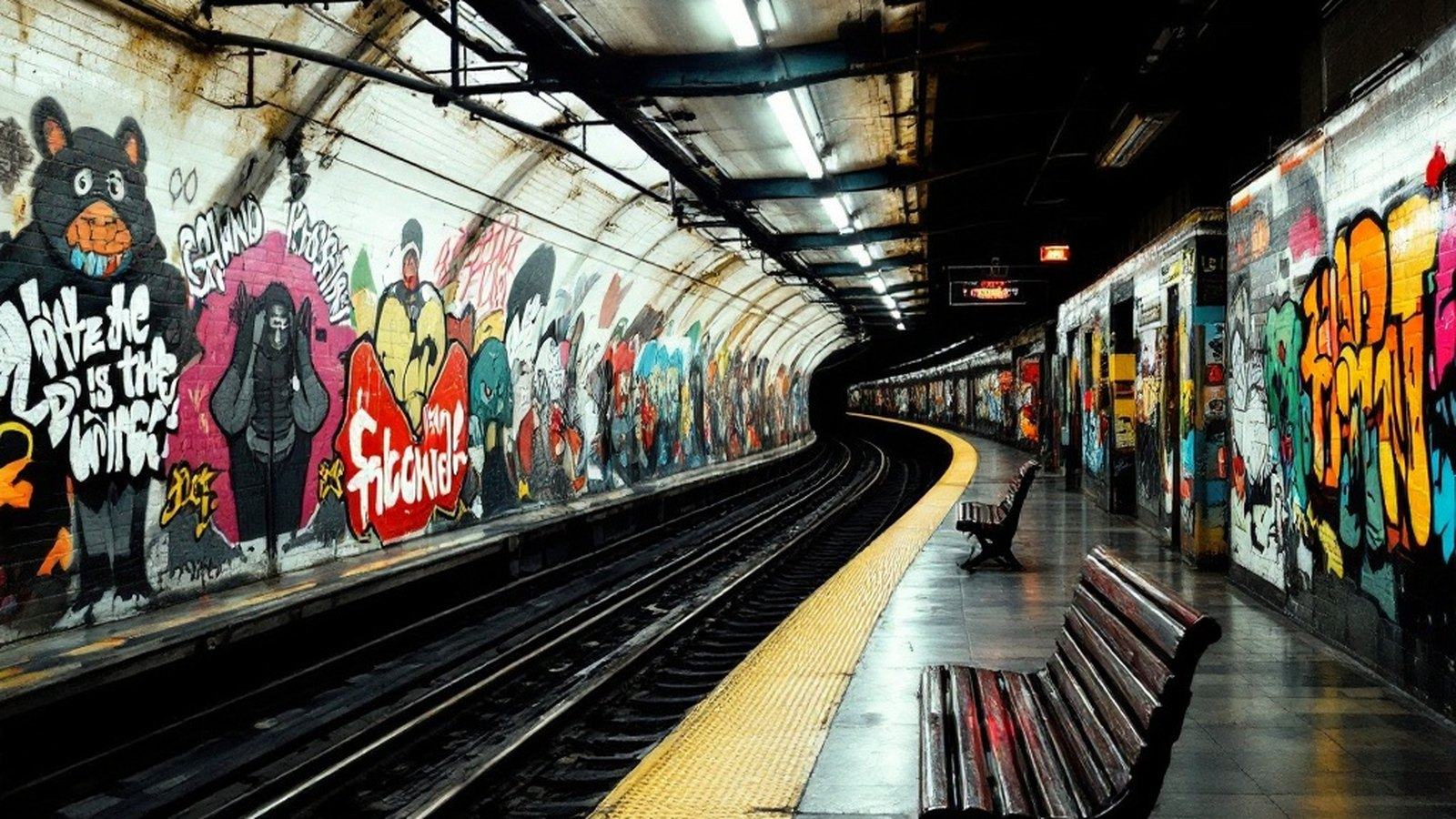
Before Instagram, before freight forums, before any of that — there was a wooden bench on the elevated platform at 149th Street–Grand Concourse, and it was the internet.
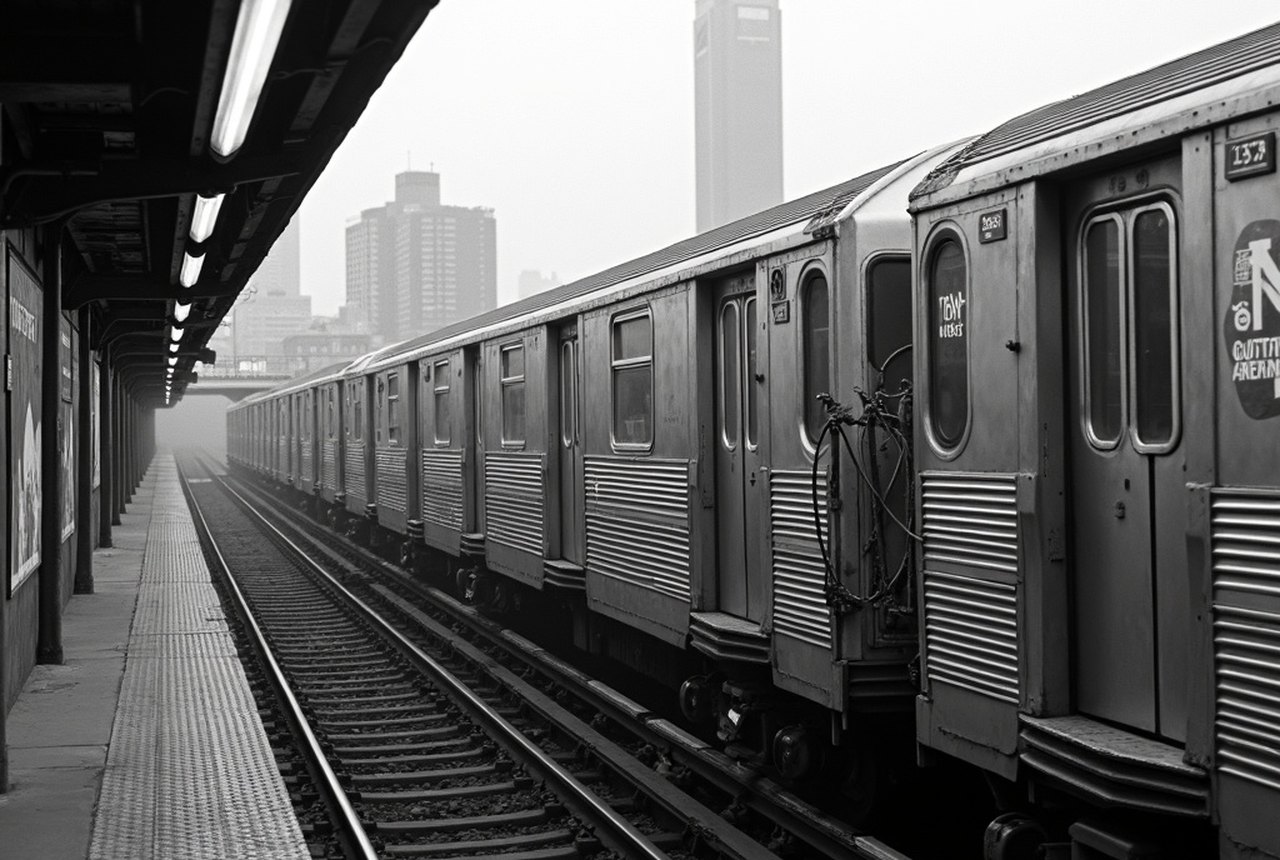
The 2 and 5 trains ran through that Bronx station carrying some of the most ambitious graffiti New York City had ever seen, and the writers who made those pieces came back to watch them roll in. Through the early and mid-1970s, the bench became a de facto meeting ground — a place where teenagers from the Bronx, Harlem and Upper Manhattan gathered to critique each other's work, argue about style, scout new talent and build the social infrastructure of a culture that had no institutions yet. You earned your reputation there, in real time, as your train pulled into the station and everyone turned to look.
The location wasn't accidental. The IRT Jerome Avenue line and the IRT White Plains Road line converged there, funneling trains from multiple yards through a single visible corridor. Writers could catch work rolling in from Unionport Yard, from 239th Street, from yards across the system. The bench offered a kind of moving gallery — unpredictable, competitive, free.
The names who came through read like a foundation document of New York graffiti: Phase 2, Blade, Dondi, Iz the Wiz, Lee Quiñones, Tracy 168 — writers whose whole-car pieces and elaborate throw-ups defined what the art form could be. For younger writers coming up in the mid-seventies, showing up at 149th and getting acknowledged by veterans was its own form of validation. The bench had hierarchy, but it also had access.
You could sit down a complete nobody and stand up with a crew.
By the late 1970s and into the 1980s, the MTA's anti-graffiti campaign began grinding the culture down. The city's buff — bleach, paint-erasure trains, eventually the wholesale scrubbing of the entire fleet — meant that what rolled through 149th Street was increasingly grey and clean. The trains that had made the bench worth sitting at were disappearing. Writers dispersed; the social ritual lost its anchor. When the MTA declared the subway system graffiti-free in May 1989, it was official: the rolling gallery had closed.
The bench itself is gone now. The station was rebuilt. But it lives in oral history, in photographs by Martha Cooper and Henry Chalfant, in the pages of Subway Art — proof that one platform in the South Bronx was, for a specific decade, the most important place in the art world that the art world didn't know existed.
The 2 and 5 still run through 149th St–Grand Concourse. The bench is gone; the sightlines aren't.